
- Sold out ;c

The Fantasy Convention Scyzorykon is a unique event for all enthusiasts of games, fantasy, and pop culture from Kielce and the Świętokrzyskie region.
We are the spiritual successor to events such as GameON and Sabat Fiction Fest, well known to the people of Kielce.
The first edition took place on July 19–20, 2025, at the Targi Kielce SA venue. It brought together 3,481 participants, 148 program creators, 82 exhibitor stands, 27 panels and quizzes, 4 concerts, 4 Star Wars villages… and 6 CHOPPED CABBAGES!
Scyzorykon is the perfect place to put on your cosplay, attend engaging talks, take part in workshops, play board and video games, enjoy music, stock up on new merch, and above all meet fellow enthusiasts who - just like you - love board games, RPGs, gaming, cosplay, crafts, and e-sports.
This year’s Scyzorykon takes place on July 25–26, 2026. Tickets and more information are available at Scyzorykon.pl

Kroniki Gostahof is a sandbox LARP inspired by the world of Warhammer. However, unlike most events of this kind, you won’t find typical wartime themes here, nor will you be fending off a Chaos invasion. Instead, we offer a fair-like atmosphere full of games and tournaments, set in the outskirts of a settlement near a picturesque lake. And after a tug-of-war, what could be better than a mug of fine drink?
Yet when you step into the nearby forest, you must stay vigilant - the lively fair attracts not only fun-seeking guests, but also more ominous visitors. At Kroniki Gostahof, you won’t find large-scale battles or opposing military factions. Instead, we focus on immersion, personal storylines, and participation in a wide range of prepared events. Unlike many Warhammer-inspired LARPs, this event does not require you to join as part of a unit - you are free to play as an independent character.
The next Kroniki Gostahof takes place on April 17–19, 2026. More information can be found on the Kroniki Gostahof page and in the group Jak będzie na Jarmarku.


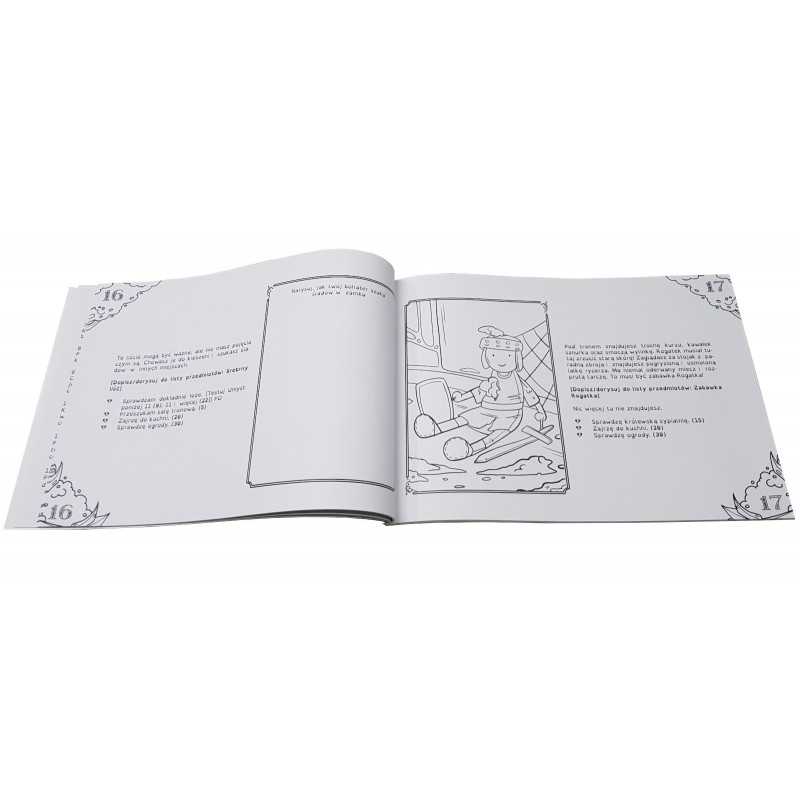
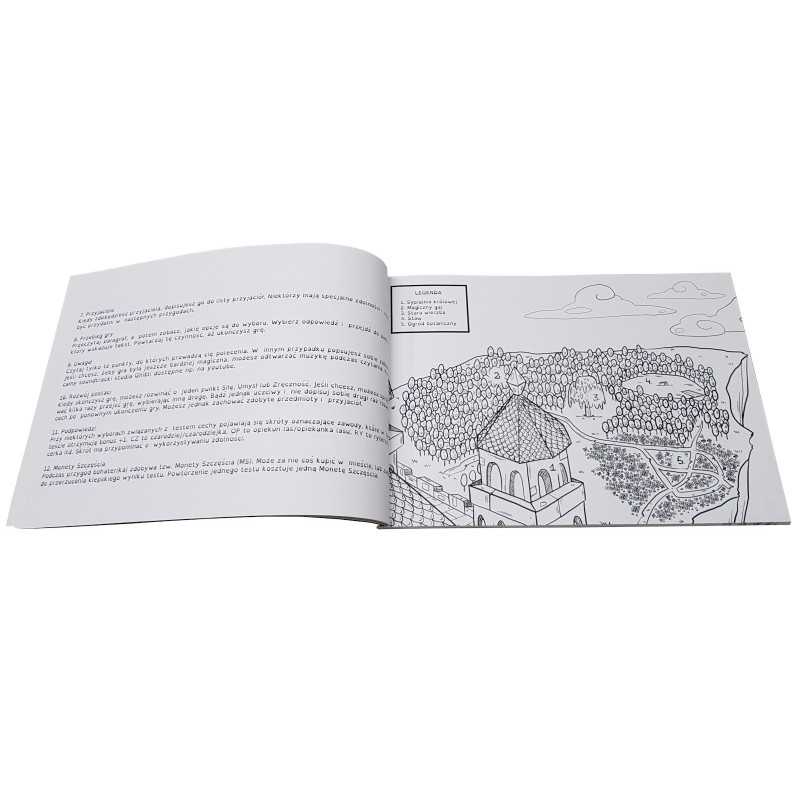
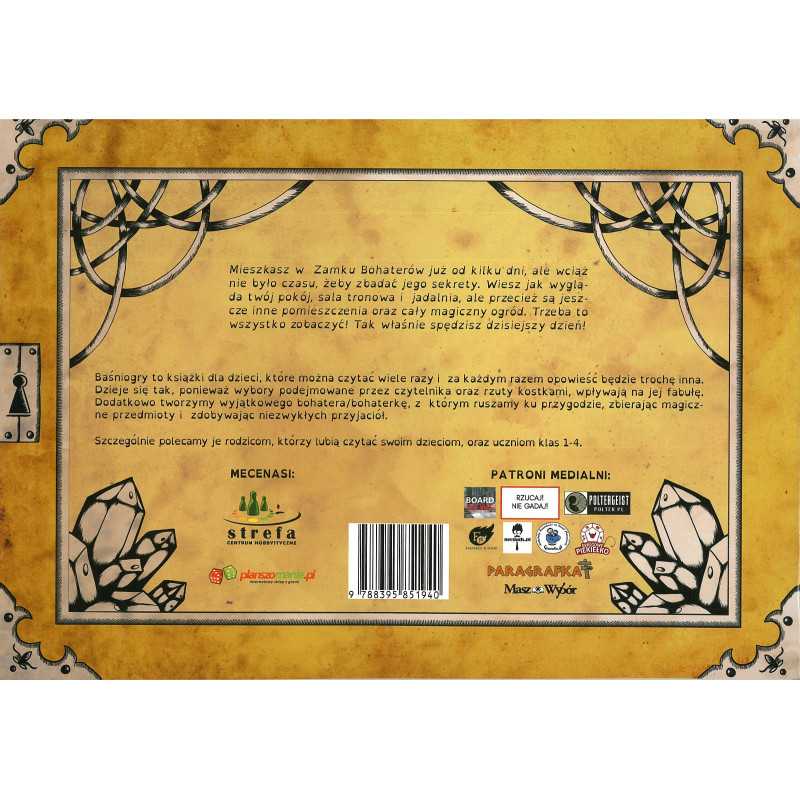
Game Rules:
Check out our other offers, we have dices:
You can send the graphic to our e-mail address: sklep@rgfk.pl, or add a link to it directly in the dedicated field on the product page.
Yes, we offer starter sets – perfect for beginning your adventure with different RPG systems. See offer
Most ordered products are shipped within 1 business day. Custom-made products may take from 5 to 90 days. Detailed shipping information for each product can be found on its page.
Yes, our dice are carefully made to ensure balance and fair rolls during play. Except for unbalanced models – but those are clearly marked in the description.
Yes, we regularly offer pre-orders for popular new releases. Details can be found on our website in the section. See offer
We do not specialize in selling digital products, but some of our manuals are sold with a PDF version. Information about this can be found on the specific manual’s page.
Yes, we do ship internationally. Details can be found on the Shipping Costs page. See details
Yes, our team will be happy to advise you on choosing RPG accessories. Contact us and we’ll help you make the best choice!
We are located in Wrocław, but this is an online store warehouse and we strongly encourage you to choose products before arriving.


